Updated October 2026
Rental property plumbing in Philadelphia covers the jobs landlords and property managers juggle: tenant leak calls, violation items, unit turnovers and shared water heaters. We work for the owner or manager, arrange access with tenants, and leave written notes and photos of what we found and fixed in each unit, so you keep a record for the property.
Plumbing that keeps units rentable
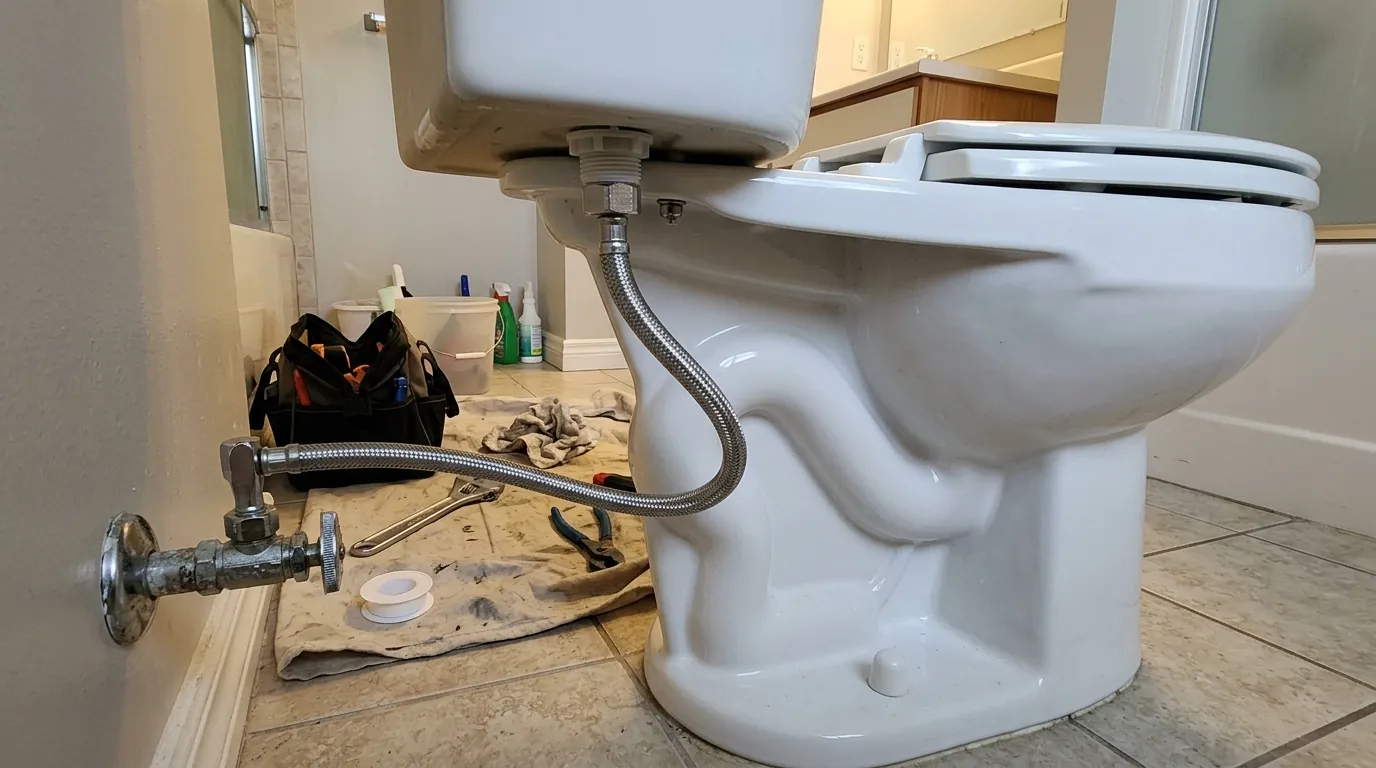
Rental plumbing is the same trade with different priorities. Repairs have to hold so the same call does not come back next month, records matter, and access depends on tenants. A running toilet in a rental can run up the owner's water bill long before anyone mentions it.
We work for owners of single rental houses, duplexes and small apartment buildings, and for the managers who look after them. When a tenant reports a leak, we trace it with leak detection before cutting into walls, and when a drain keeps backing up, a camera shows you where the trouble is.
What affects the cost of rental plumbing work
Rental work is priced job by job, and a few things move the number more than others.
- One item or a listSeveral repairs in one visit cost less per item than separate calls.
- Occupied or vacantVacant units allow longer shutdowns and quicker work.
- Shared systemsWater heaters and mains serving several units take more planning.
- Permit itemsSome violation repairs need permits and inspections.
- Fixture ageOld valves and fixtures often need replacing rather than repairing.
Violation Repairs
A violation notice or inspection report usually lists plumbing items in plain terms: a leaking fixture, a missing cleanout cap, a water heater without a proper relief line, no hot water in a unit. We go down the list item by item, fix the plumbing items, and give you a written record of each repair. Where an item needs a permit, we pull it. If PWD has issued a Notice of Defect on a service line or lateral, the repair may qualify for its HELP loan. What blocks occupancy and what deadline the notice sets decide the order we work in.
Unit Turnovers
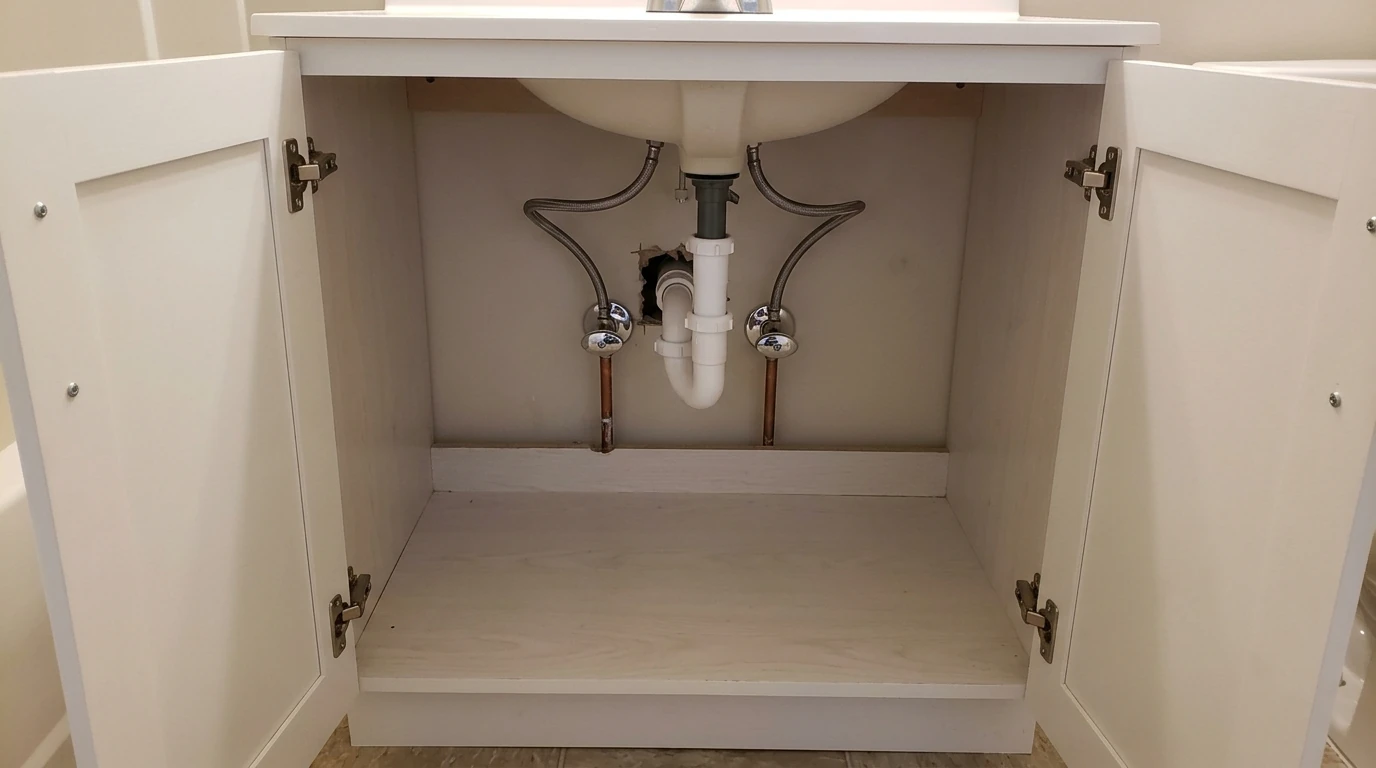
Turnover is the best time to fix what the last tenant put up with. A toilet that runs, a slow tub, a dripping faucet and a supply line with a bulge all get dealt with before the next lease starts. We work through the unit with our turnover list, replace worn parts, clear slow drains and look under every sink. An empty unit lets us shut water off without disturbing anyone. The scope depends on the unit's age, what the last tenant reported and how much you want done now versus at the next turnover.
Multi-Unit Water Heaters
When one water heater serves several units, a failure hits everyone at once. Tenants report lukewarm showers, hot water that runs out mid-morning, or rust-colored water from the hot side. We check the burner or elements, the anode, the relief valve and any recirculation pump, and look at whether the heater is sized for the number of units it now serves. Replacement can be a larger tank, two tanks piped together, or separate heaters in each unit so tenants pay their own energy. Space, venting and how the building is metered decide which.
Our plumbing turnover list
Between tenants, we go through each unit against a fixed list so nothing slips past.
- Toilets: flapper, fill valve, wax seal and bolts
- Faucets: drips, cartridges and supply lines
- Sink and tub drains: flow and stoppers
- Shutoff valves under every fixture
- Water heater: leaks, relief valve and venting
- Signs of leaks under sinks and around the tub
- Washer box and dishwasher connections
- Photos and notes on anything needing follow-up
How we handle a rental call
Take the report
We get the issue, the unit and the tenant contact from you or your manager.
Arrange access
Entry times are set with the tenant or with you.
Diagnose and price
You hear what is wrong and what it costs before work starts.
Fix and document
Repairs are made and recorded with photos.
Report back
You get a short summary of what was done and anything to watch.
Tenants, access and time without water
In an occupied unit, the first thing tenants ask is how long the water will be off. Most repairs isolate one fixture, so the rest of the unit keeps working. For a shared water heater or a main valve, we tell you ahead of time what will be off so notices can go out to everyone affected.
Vacant units are different. With no one waiting on a working bathroom, we can shut the water off freely and work through the whole list.
Rentals in Mayfair, Tacony and nearby
Pew found that neighborhoods including Mayfair shifted from buyers toward renters between 2000 and 2012. In Tacony, owner occupancy runs 50 to 60 percent, so a large share of homes on those blocks are rented. Landlords there are often keeping older houses with original fixtures in service, which means the same jobs come up between leases: running toilets, tired water heaters and slow drains. When a PWD Notice of Defect is part of the picture, the HELP program offers a zero-interest loan for the repair.
Questions about rental property plumbing in Philadelphia
Yes, if you want us to. We arrange access with the tenant and report back to you on what we found and did.
Yes. We give you notes and photos for every job, kept by address and unit.
Yes. Owners with a few houses or small buildings call us for each one, and the notes stay organized by property.
It depends on the building. Separate heaters let tenants pay their own energy, while one larger heater can be simpler to look after. We weigh venting, space and metering before recommending either.
It is a PWD notice that a service line or sewer lateral on the property needs repair. PWD's HELP program offers a zero-interest loan for repairs after one, repaid on the water bill.